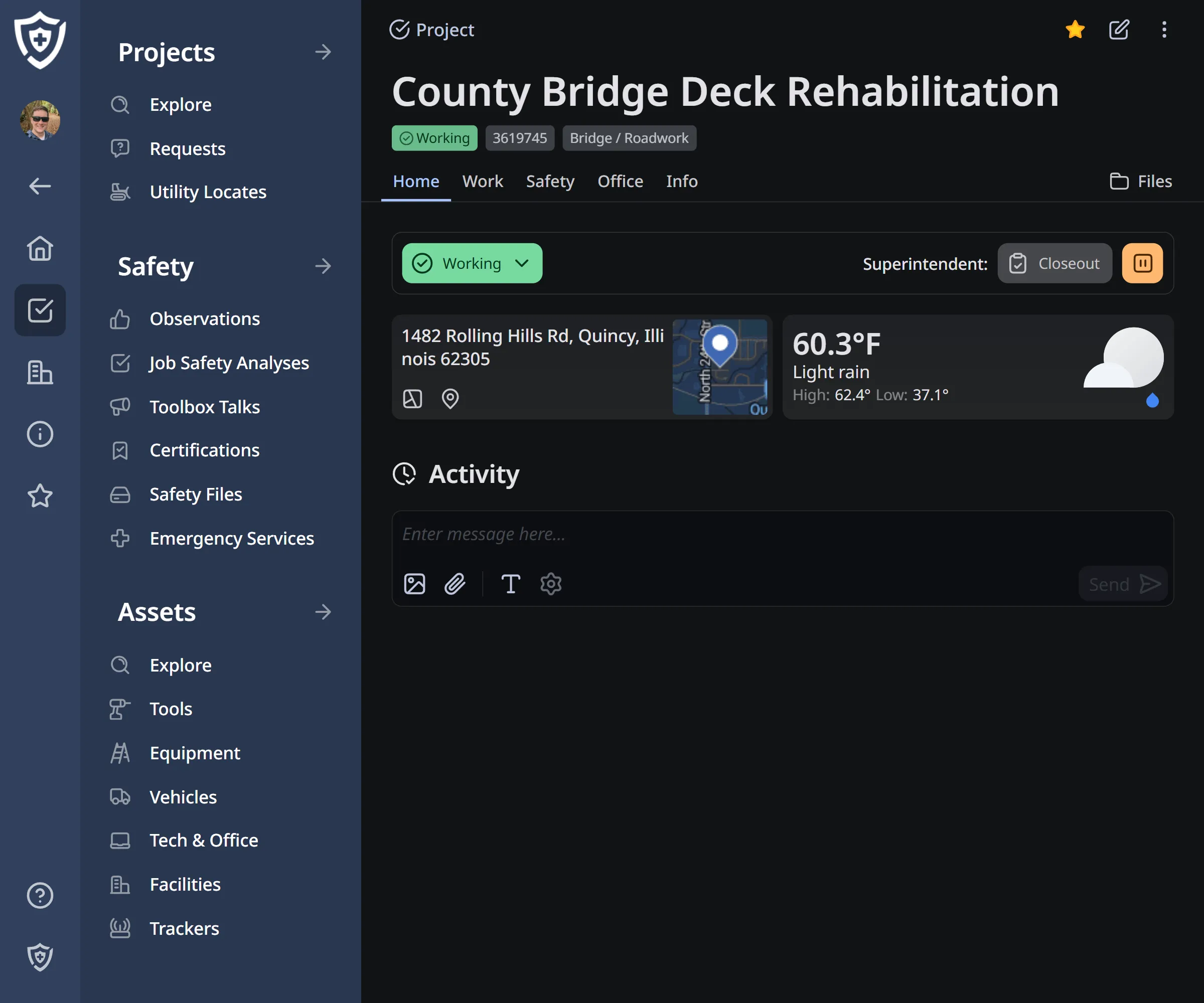
Your Data, Count On It
Keep critical data protected and available so teams can work without worry.
Information is organized into interconnected records that make relationships and outputs easy to navigate and understand.

Keep critical data protected and available so teams can work without worry.
Information is organized into interconnected records that make relationships and outputs easy to navigate and understand.
Relationships that preserve context
Records remain connected across the platform, making it easier to understand how information relates between people, projects, assets, files, and workflows.
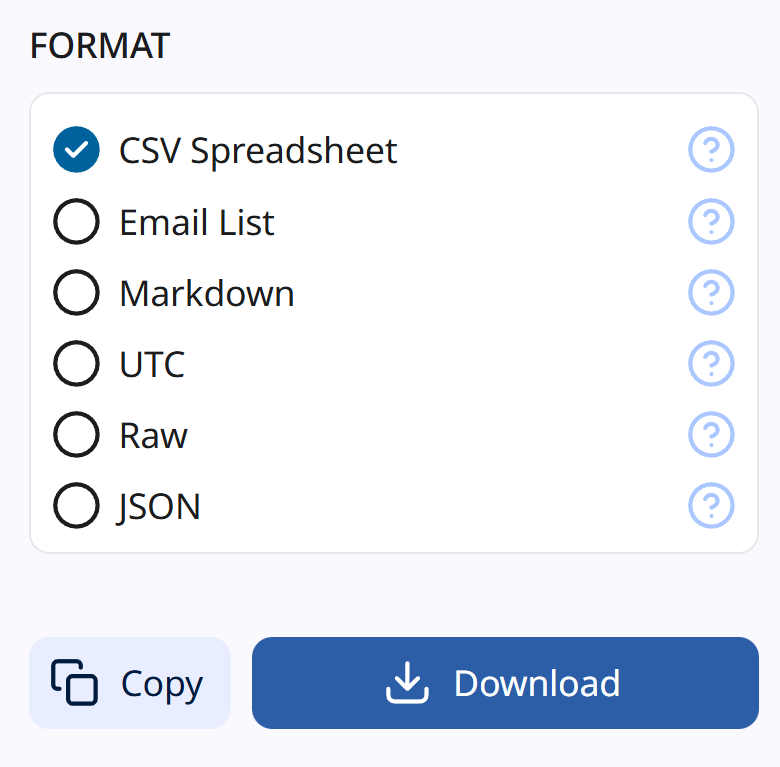
Exports that stay structured
Lists and individual records can be exported in standard formats such as CSV or JSON, making it straightforward to move data into spreadsheets, reporting tools, or external systems.
Checks that catch problems early
Data is validated as it's entered to reduce errors and keep records consistent.
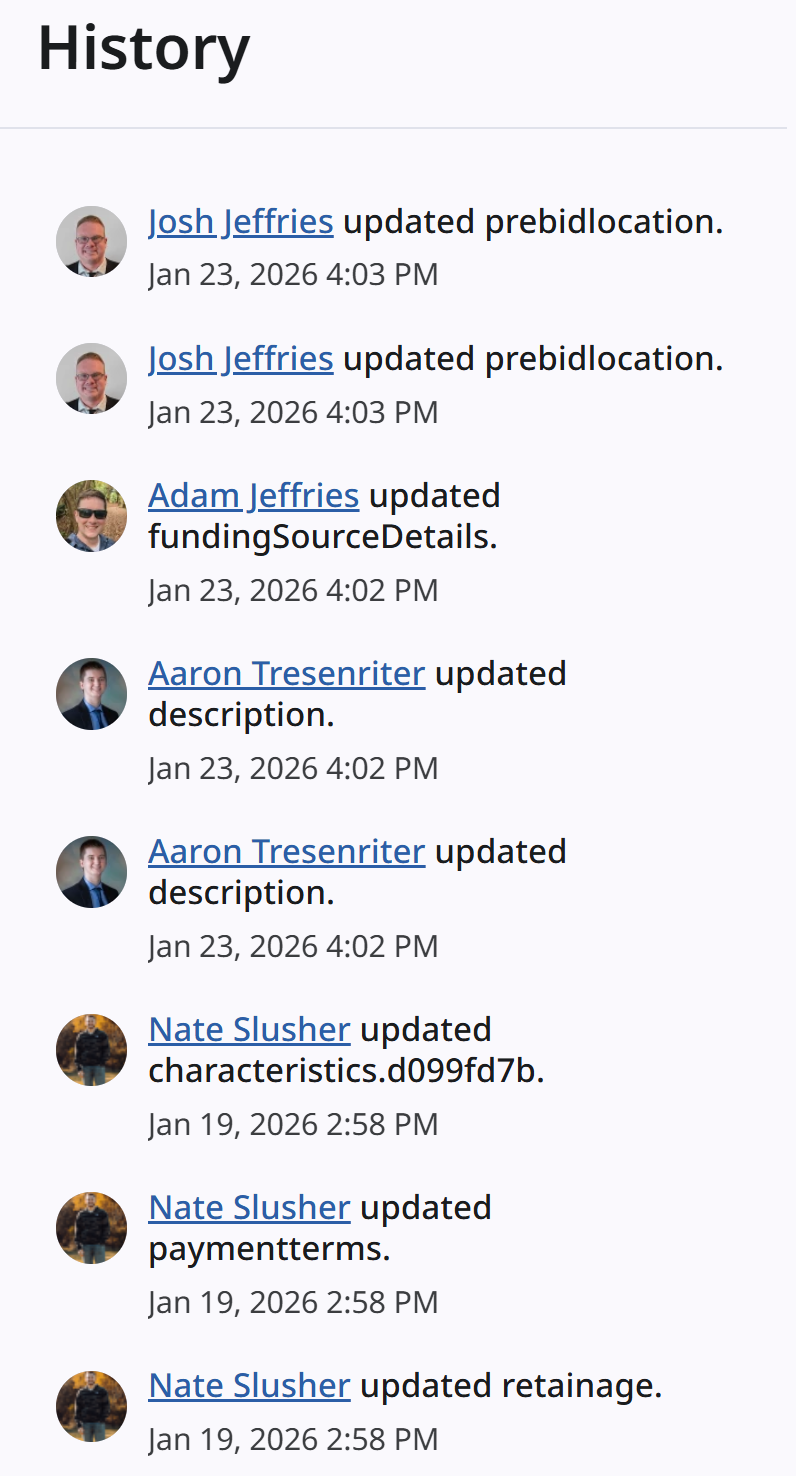
A clear history of changes
User actions and system updates are tracked automatically, providing a reliable record of who changed what and when.
NewDocs are now soft deleted when prompted. If a doc is deleted by mistake, it's data and bi-directional relationships can be restored.
Data is backed up automatically to protect against accidental deletion, corruption, or system failures.
If an issue occurs, recovery procedures are used to restore data quickly with minimal disruption or loss.
Issues are isolated so a failure in one area doesn't affect the rest of the system.
Each client's application data and files are stored in isolated environments rather than shared systems.
Mailing lists are created dynamically from live data, keeping communications accurate as records change.
Visual references are created from files such as images, PDFs, and videos.
Critical data, preferences, and submissions are stored locally to improve performance.
Pages and records can be saved as PDFs or printed directly from the current page view.
Get started with a complementary Action Plan outlined by industry experts.